
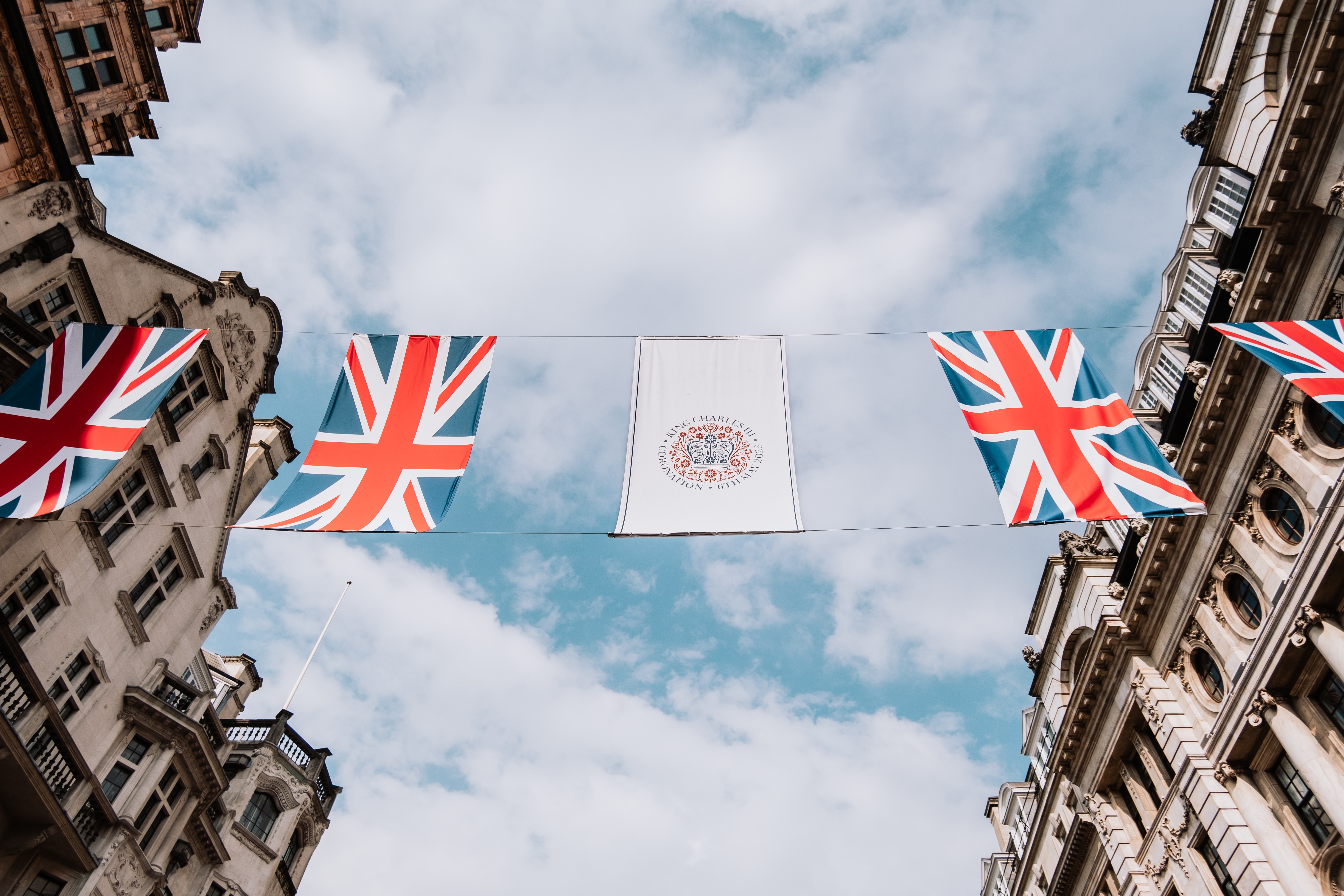
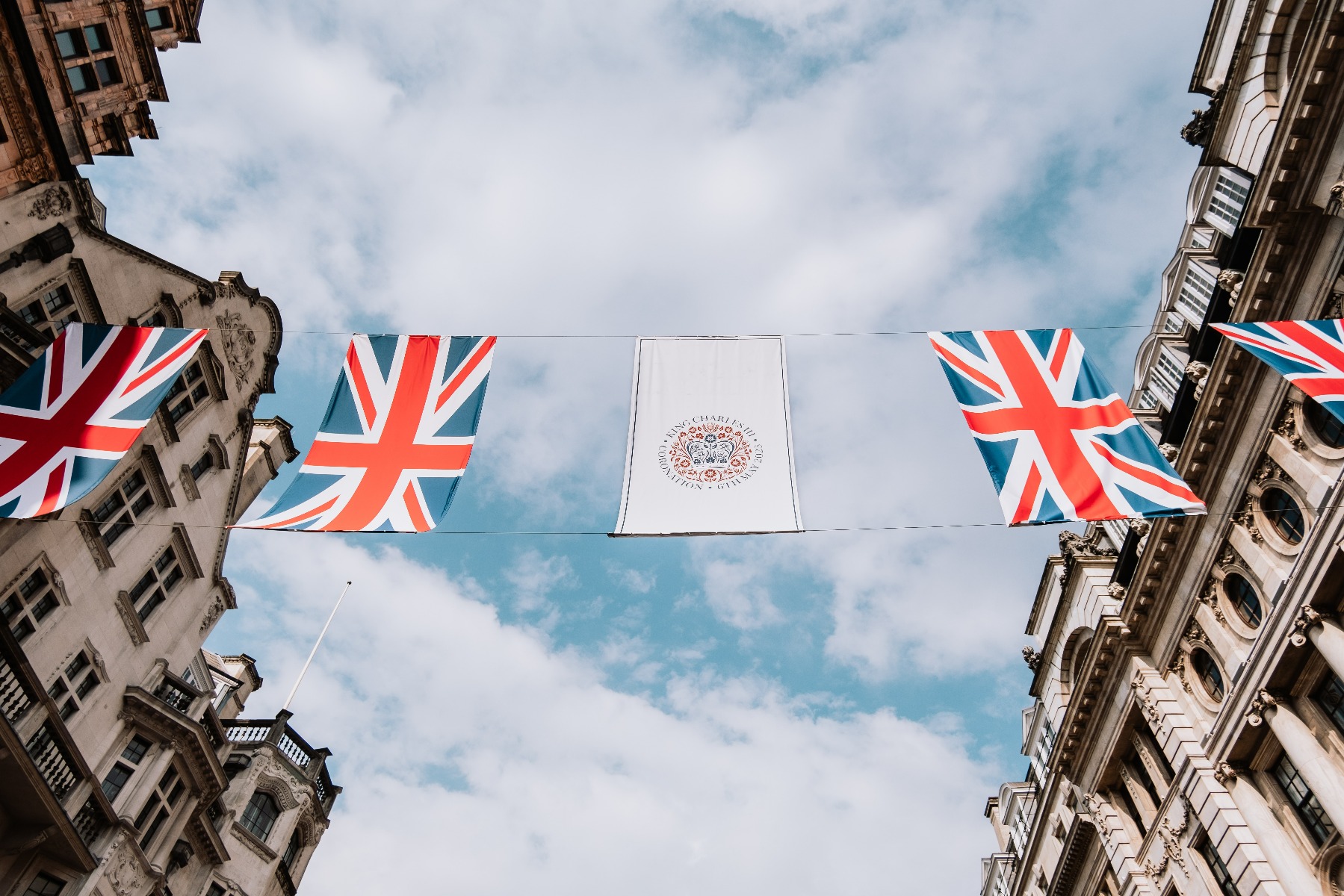
King Charles III was crowned at his coronation at Westminster Abbey, a ceremony which had both a nod to the past and a look towards the future. The coronation of King Charles III bore witness to a captivating spectacle, wherein the introduction of a new emblem and the regal attire of the monarch brimmed with profound symbolism, signifying their paramount importance in the grand occasion. Let’s delve into the emblem and King Charles III's magnificent coronation outfits.
The King’s Cypher
King Charles’ cypher was designed by the College of Arms, the official body responsible for the country's flags and national symbols. His royal monogram consists of the letters C and R interlinked - C for Charles' first name and R for Rex, which means king in Latin. Within the enclosed section of the R's counter, the number III was placed.
A notable distinction emerges between the monograms of Queen Elizabeth II and King Charles III, manifesting in their chosen crowns. Adorned above the cluster of letters within the royal monogram lies the Tudor Crown, a regal symbol that once graced the monogram of King George VI. While Queen Elizabeth II's cypher was surmounted by the iconic St Edward's Crown, crafted during the reign of King Charles II in the 17th century.
The regal CiiiR Cyphers, King's Crowns, and Heraldic Horses adorned the saddle cloths of the Master of Horse, as well as the CiiiR Cyphers and King's Crowns befitting the Crown Equerry, rode in procession behind the magnificent gold state carriage.
Regalia
Following this sacred anointing, the monarch is ceremoniously adorned with the illustrious coronation regalia, comprising symbolic artifacts that embody the essence of chivalry while magnifying the power and solemn duties entrusted to the sovereign.
In homage to a rich legacy, King Charles was resplendent in the timeless elegance of historic "coronation vestments." The coronation vestments include the Supertunica, The Imperial Mantle, The Coronation Glove, The Coronation Sword Belt, The Stole Royal and Girdle and The Robe of Estate.
In a commendable display of sustainability, both the king and queen have chosen to honour tradition by repurposing thrones, coronation chairs, and congregation chairs from the esteemed royal collection, ensuring a harmonious blend of heritage and environmental consciousness.
The Supertunica
The formal investiture follows the anointing, for which the sovereign is adorned with the Supertunica, a long coat that fastens at the waist, inspired by the robes of Byzantine emperors. The design dates back to medieval Coronations.
King Charles wore the Supertunica made for the Coronation of King George V on 22nd June 1911. Reportedly weighing 2kg (4.4lb), the Supertunica is adorned with leafy gold embroidery carried out by the Lady's Work Society The form of the embroidery is essentially stylised arabesques and stylised floral motifs.
The Imperial Mantle
Worn over the Supertunica, the Monarch is invested with the Imperial Mantle, a decadent floor-length robe. The oldest vestment used in this year’s Coronation services, His Majesty wore the Imperial Mantle made for the Coronation of George VI in 1821, which has also been worn by King George V, King George VI and Queen Elizabeth II.
The Imperial Mantle is covered with cloth of gold emblems of woven roses, thistles, shamrocks, crowns, eagles and fleur-de-lis, complete with silver and silk accents. A gold clasp at the sternum in the form of an eagle is also replicated on the anointing screen and the ampulla, which held the chrism oil.
The Coronation Glove
Delicately fashioned from supple white leather, the glove exudes an air of refined elegance. Its wrist, adorned with a resplendent lining of crimson satin, becomes a canvas for the artistry of embroidered gilt metal thread, wire, and sparkling spangles, meticulously arranged to depict the regal emblems of the Tudor Rose, thistle, shamrock, as well as the noble motifs of oak leaves and acorns.
Gracefully adorning the back of the hand, an embroidered ducal coronet in vibrant red velvet takes its place above the coat of arms, representing the esteemed lineage of the Dukes of Newcastle with utmost pride and distinction.
The Coronation Sword Belt
Enhanced by the opulence of dark red silk lining and embellished with resplendent gold thread, the belt exudes an aura of regal grandeur. Fashioned from exquisite cloth of gold, its surface becomes a canvas for intricate arabesques and ornate scrolls, skillfully woven into the fabric.
A magnificent buckle, prominently displayed, bears the unmistakable national emblems of roses, thistles, and shamrocks. Secured firmly in place by a golden clip, the Jewelled Sword of Offering becomes elegantly "girded" or fastened to the sovereign's Supertunica during the ceremony.
The Stole Royal and Girdle
Originally worn by Queen Elizabeth II in 1953, it features roundels set in a gold chain framework and applied to the gold cloth. In each roundel, embroidered images have been created using silk shading, also known as needle painting. Illustrations are embroidered in different colours with fine twisted silk threads, and the framework is edged with Gold Grecian and Pearl Purl. Stole has a gold lining and gold fringe.
There are four emblems depicted in the roundels - Rose, Thistle, Leek, and Shamrock - a dove of peace representing the Holy Spirit, a Tudor Crown, the Crossed Keys of St Peter, the four Apostles, and a pattern inspired by Westminster Abbey's Cosmati Pavement, where His Majesty was anointed. St Lawrence, the Patron saint of the Girdlers' Livery Company, who gifted the Stole Royal, is represented by an icon at the nape of the neck.
The Robe of Estate
Draped in regal splendour, the King's Robe of State, crafted from sumptuous crimson velvet, bears a storied heritage, having once graced the shoulders of King George VI during the illustrious Coronation of 1937. In meticulous preparation for the forthcoming Coronation Service, the revered artisans at the Royal School of Needlework have tenderly conserved the velvet, ensuring its enduring magnificence. The lining and resplendent gold lace, preserving their timeless allure, have been entrusted to the skilled hands of Ede and Ravenscroft.
A breathtaking tribute to the realm of nature and the environment, the design of the robe's train proudly incorporates newfound elements, including the enchanting presence of bees and beetles. This captivating addition mirrors Their Majesties' deep affinity for the natural world, infusing the garment with beautiful symbolism.
Queen Camilla’s coronation outfits
At the service, Camilla wore an original Queen Elizabeth's Coronation Robe of State made of crimson velvet and ermine, preserved and adjusted by London's oldest tailors Ede and Ravenscroft.
But it is underneath this historic garment that Camilla’s personal story begins. Her ivory, silver and gold Coronation dress was richly embroidered with an iconographic scheme of floral emblems of ” daisy chains, forget-me-nots, celandine and scarlet pimpernel” encrusted with seed pearls, sequins and crystals.
Queen Camilla left the ceremony with the Robe of the Estate crafted from rich purple velvet especially for her. There were 24 plants sewn into the gold thread: lady's mantle, myrtle, maidenhair fern, cornflowers, and delphiniums, as well as the national emblems of the rose, thistle and shamrock also appear. This is the first time that bees, butterflies, a beetle and a caterpillar are woven into the Coronation Robe.
The magnificence of goldwork in the coronation ceremony
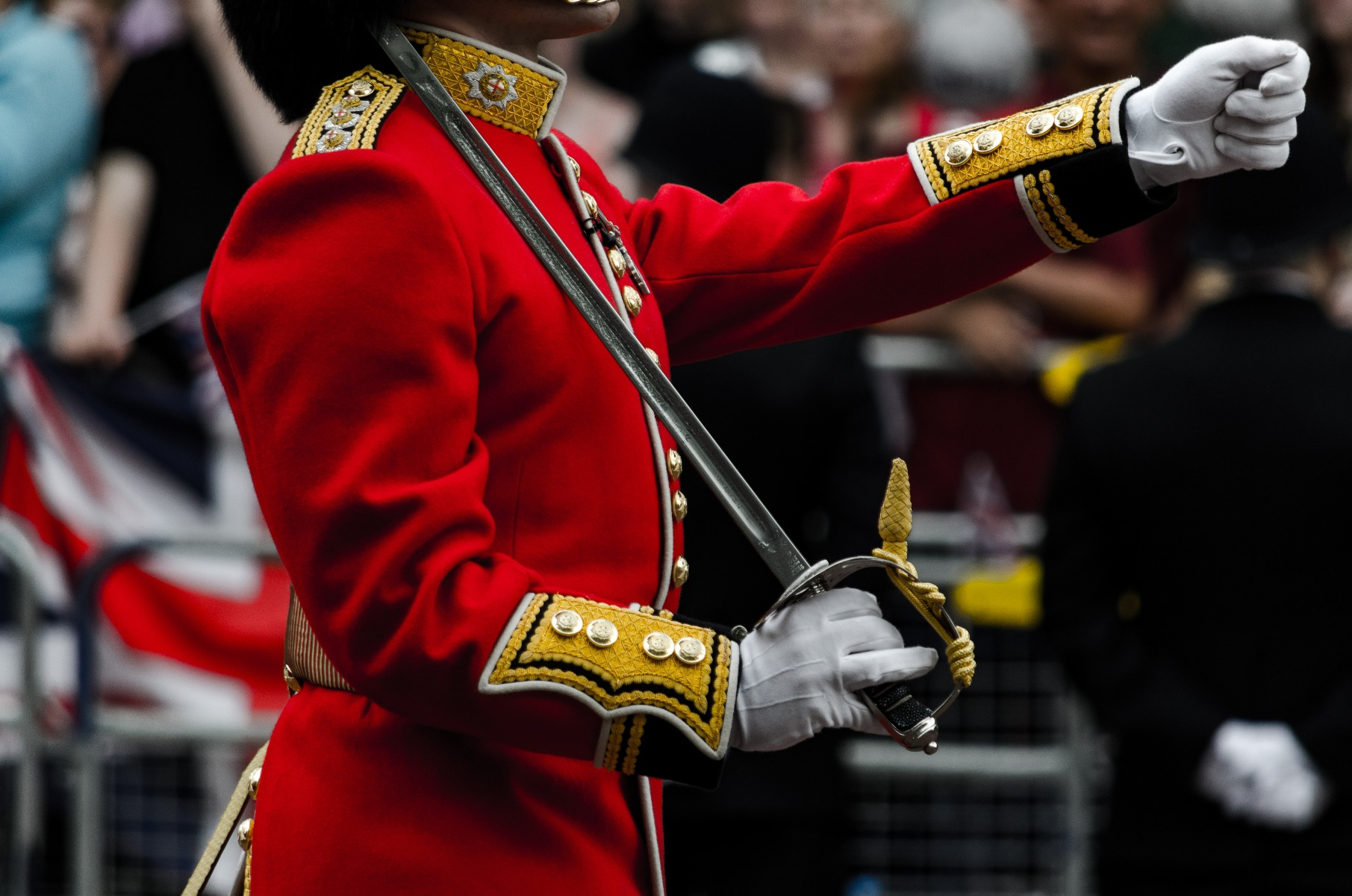
Goldwork takes centre stage in a dazzling display of artistry, carefully chosen for its ability to reflect and enhance ambient light. This historic embroidery technique, with its meticulous ornamentation, signifies power and importance, making it a recurring presence in military and royal courts throughout history. Yet, its allure extends far beyond tradition, serving as a profound inspiration for modern couturiers.
Goldwork, encompassing a diverse range of techniques, tools, and materials, emerges as an extraordinary art form. Smooth purl, rough purl, pearl purl, plate, passing—each represents a distinct metallic embellishment, adorning surfaces with unique lustre, shine, and light-responsive properties. Collectively, they contribute to a splendid tapestry of opulence, evoking a sense of awe and enchantment.
Wrapping up
We hope you found inspiration from the beautiful and historic embroidery work of the coronation outfits. Hand embroidery is an exquisite way to add a personal touch to garments.
Every stitch meticulously crafted by skilled artisans, hand embroidery breathes life into fabrics, transforming them into mesmerising artistry. The intricate detailing, delicate motifs, and precise needlework speak volumes about the dedication and passion poured into each garment.
It is a testament to the enduring tradition of craftsmanship, where time-honoured techniques intertwine with contemporary creativity. From the regal robes to the smallest embellishments, hand embroidery weaves a narrative of elegance and individuality, infusing the garments with a unique charm that resonates through the ages. It serves as a timeless reminder of the human touch, the human spirit, and the remarkable stories woven into the fabric of our shared history.