
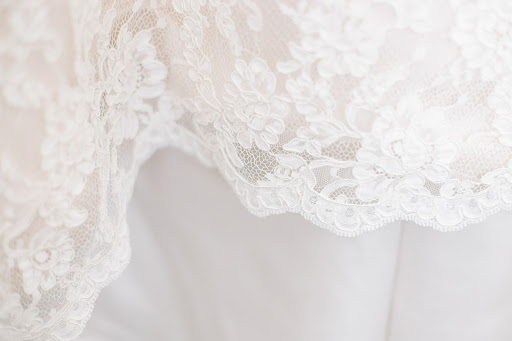
Looking for lace fabric for your own project? Explore our Luxury French Lace & Couture Lace Fabrics, including French Chantilly, Guipure, corded and embroidered laces.
Lace fabrics have an undeniable allure with their delicate patterns and intricate designs. They add a touch of elegance and sophistication to any garment or accessory. However, the world of lace can be quite complex, with various types and properties to consider.
In this comprehensive guide, we aim to demystify lace fabrics and help you understand their unique characteristics. Whether you're a fashion enthusiast, a designer, or simply curious about this enchanting textile, read on to discover the fascinating world of lace.
The origins of lace
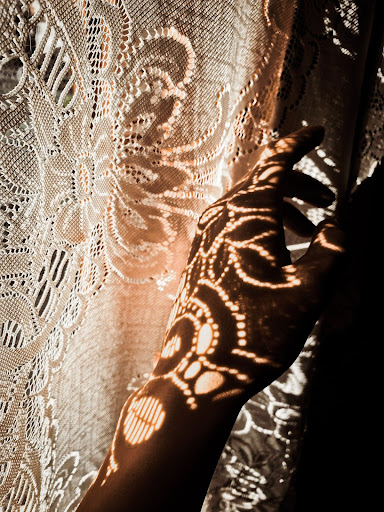
The captivating history of lace is as intricate as the fabric itself. For centuries, lace has adorned garments, upholstery, and homewares, leaving an indelible mark on the world of fashion and design. Although historians continue to debate its precise origins, lace's undeniable influence remains.
Fabric resembling lace can be traced back to ancient Egypt, where burial garments showcased ornate openwork designs. Similarly, lace-like fabrics were prevalent in the Middle East before the Renaissance. However, it was in the 15th century that genuine lace began to emerge, as depicted in Flemish and Italian paintings of that era. This has led experts to speculate that the origins of lace lie within the realms of Flemish or Italian craftsmanship.
In the 16th and 17th centuries, lace production spread beyond Italy and Flanders, reaching France, England, and other European countries. Each region developed its own unique lace styles and techniques, resulting in a rich tapestry of lace traditions. For example, France became renowned for its exquisite needle lace, while England excelled in the production of elaborate bobbin lace.
The demand for lace continued to grow throughout the 18th and 19th centuries. Technological advancements, such as the invention of the lace-making machine by John Heathcoat in 1809, revolutionised lace production, making it more accessible and affordable. This led to the democratisation of lace, allowing it to be incorporated into a wider range of garments and household items.
Finally, lace played a significant role in the world of fashion, particularly during the Victorian era. It adorned elegant gowns, veils, and accessories, and until today it is a symbol of femininity and refinement.
Properties of lace
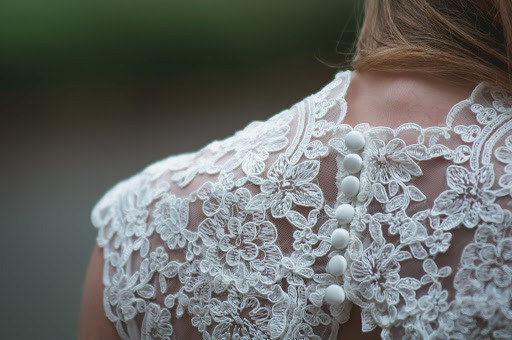
Lace fabrics are known for their intricate patterns, delicate texture, and transparency. Here are some key properties that define lace:
a) Patterns: Lace features beautiful patterns created by the interweaving of threads or the addition of supplementary elements like ribbons or beads. Common lace patterns include floral motifs, geometrical designs, and scalloped edges.
b) Transparency: Lace is renowned for its sheer or semi-sheer nature. The fabric's openness allows for breathability and adds a touch of allure and femininity to garments.
c) Texture: Laces have a distinctive tactile quality. They can range from soft and smooth to textured and raised, depending on the type of lace and its production method.
d) Weight: Lace fabrics vary in weight, from delicate and lightweight to heavier varieties. The weight of lace can impact its drape and suitability for different applications.
Types of lace fabric
With a wide variety of lace trimmings, brides have a lot to choose from.
Chantilly
There is something incredibly soft and beautiful about this type of French lace that makes it so popular today. Chantilly lace features delicate patterns of flowers are embroidered on a thin mesh. In today's fashion, this type of lace is the most popular and highly demanded.
Alençon
This is another French type of lace that is embroidered on a very thin transparent mesh. Lace of this type are typically made from silk or rayon threads, which are woven together to create a fabric that is sturdy, durable, and perfect for bridal wear, evening gowns, and accessories.
Guipure
Guipure lace, also known as Venetian lace, is a heavier lace with a firm texture. It is characterised by its continuous motifs, created by braiding or twisting threads. Guipure lace is commonly used in formalwear and evening gowns.
Point de Venise
Point de Venise is a captivating Venetian needle lace that emerged in the 17th century. This intricate lace is renowned for its scrolling floral patterns and exquisite floral motifs worked in relief.
Shiffli
This lace type is an incredibly thin one embroidered with a special machine on a semi translucent or transparent fabric. Although the pattern is intricate, the fabric is light and airy.
Crocheted lace
Crocheted lace represents a stunning application of the timeless art of crochet. It showcases intricate stitching techniques and finer threads, resulting in delicate and decorative fabric. With its flowing lines, scalloped edges, and varying hole sizes, crochet lace exudes charm and creates a captivating "lacy" effect. Although initially not considered true lace, crochet lace has evolved to become a beloved and distinct form of lace-making.
Embroidered Lace
Embroidered lace is a breathtaking form of lace that combines the art of embroidery with the intricate beauty of lace-making. This exquisite lace is created by meticulously embroidering a base fabric using needles. The base used in embroidered lace varies depending on the technique employed, with many techniques utilising a woven or knotted net. At The Sewing HQ, we can hand embroider laces to give you the couture effect you’re searching for.
How much does lace fabric cost?
When it comes to the cost of lace fabric, several factors contribute to its price, including the type of lace, the intricacy of the design, and the quality of the material. Machine-made lace fabric is generally more affordable compared to handmade lace fabric. Handmade lace requires exceptional skill and time to create, making it a labour-intensive process that adds to the overall cost.
Additionally, the quality of the material used in the lace fabric plays a significant role in its price. Lace crafted from high-quality materials like silk or fine cotton tends to be more expensive than lace made from synthetic fibres such as nylon or polyester.
How do you care for lace fabrics?
Caring for lace fabric is crucial to maintain its delicate beauty and extend its lifespan. It requires special attention and gentle handling. To care for lace, it is essential to refer to the care instructions provided on the label or packaging of the fabric.
In general, lace should be hand washed in cool water using a mild detergent. Avoid using harsh chemicals or bleach, as they can damage the delicate fibres of the lace. Gently agitate the fabric in soapy water and then rinse thoroughly. When drying lace, it is recommended to lay it flat on a clean towel or a mesh drying rack, ensuring it retains its shape. Avoid twisting or wringing the lace, as this can cause stretching or distortion.
If your lace fabric has stains, it's important to address them carefully. Before washing, gently spot-treat the stained area with a mild detergent or a specialised stain remover suitable for delicate fabrics. Test the stain remover on a small, inconspicuous area first to ensure it doesn't cause any discolouration or damage to the lace. After spot treating, proceed with the recommended washing method.
Wrapping up
Lace fabrics possess an enchanting allure that has captivated fashion enthusiasts and designers for centuries. By understanding the properties and types of lace, you can appreciate the intricate beauty of this textile. Whether you're designing a stunning gown or looking to add a touch of elegance to your home, lace is a versatile fabric that never goes out of style. Embrace the world of lace and let its intricate patterns and delicate textures inspire your creativity.
If you are still searching for the perfect fabric for your dream wedding gown, we invite you to explore our selection of exquisite luxury fabrics. Within our collection, you will discover a variety of options that can bring your vision to life. Should you require any assistance or wish to embark on a personalised journey, please do not hesitate to contact us on: 0116 3266477. We are dedicated to helping you fulfil your wedding gown aspirations.